Manual Driving vs Cruise Control: Understanding Basic Automation Features in Driver Assistance Levels
As of April 2024, approximately 68% of UK drivers admit they’re unsure what’s really happening under the bonnet when it comes to their car’s automation features. Look, it’s easy to get baffled when advertisements throw around phrases like “autopilot” or “self-driving” like they’re interchangeable with traditional cruise control. Between you and me, the gap between what companies market and what their systems actually do is, in many cases, wider than the M25 at rush hour.
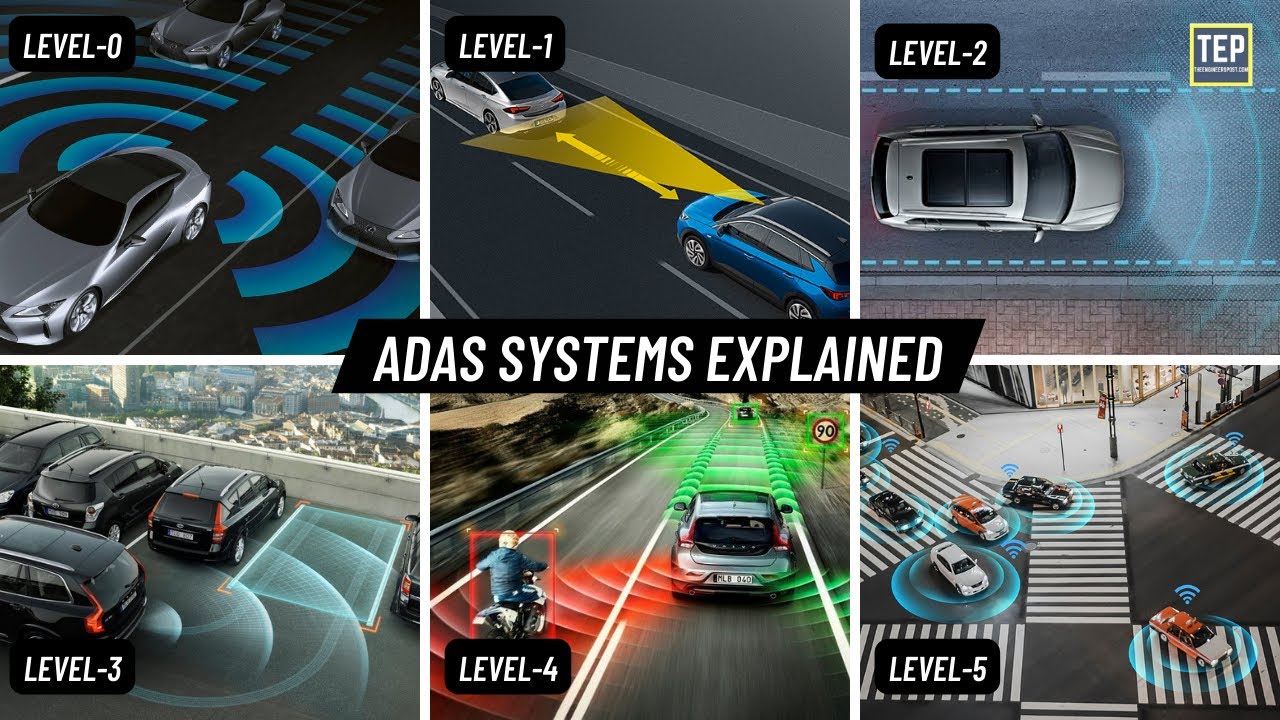
Take for example the much-hyped Level 1 automation systems. These are mostly just fancy cruise controls with a smidge of driver assistance thrown in. But what does that mean compared to good old manual driving? In essence, Level 0 is what most of us grew up with, complete control by the human driver, no computer nudges except warnings (like “check your tyre pressure” alerts). Level 1 automation can actually take over either steering or throttle control, but not both.
To clarify, manual driving involves hands-on control of speed, steering, braking, and all driving decisions. No computers assist you except for some warning systems. Cruise control, on the other hand, automatically manages your speed but leaves steering and other tasks up to you. Despite the fancy marketing, cruise control is firmly in the Level 0 or early Level 1 category because it doesn't truly “drive” the car.
Manual Driving vs Cruise Control: What’s Actually Happening?
Level 0 means the driver is responsible for every pedal tap and steering input. No technology reduces your workload except possibly alerts, like blind-spot warnings or collision flags. It’s raw driving, and honestly, it feels like being in “command” without any aid.
At Level 1, basic automation features like adaptive cruise control shine through. This system will maintain a set speed and a safe following distance from the car ahead by applying brakes or accelerating, yup, the car is manipulating throttle and brake but still expects you to steer and stay alert. For example, Volvo’s Pilot Assist in some models offers this level, assisting the driver, but never fully taking over.
Cost Breakdown and Timeline of Basic Automation in Everyday Cars
Launching your first car with Level 1 features typically bumps the price up by around £1,000 to £2,500 compared to a base manual driving model. That’s the premium for adding sensors, cameras, and computer processors to manage speed and minor steering aid. Expect timeline differences too, companies like Waymo have invested heavily to push these systems beyond initial trials over the past decade, with many production cars only recently adopting Level 1 in the early 2020s.
Required Documentation Process for Understanding Your Vehicle's Automation Level
you know,Ever notice how unfortunately, your car manual rarely lays out a clear “level 1 vs level 0” distinction. Often, jargon-filled safety evpowered.co.uk brochures muddle the waters further. I'd recommend checking manufacturer websites or third-party sources like the SAE International standard documents, which define driver assistance levels in plain language. Also, telematics reports from your vehicle’s software (which you can usually access via a smartphone app) provide insight into how much control your car actually exerts during a typical drive.
Driver Assistance Levels Compared: Why Level 1 Actually Beats Level 0, Most of the Time
Now, let's dig into what really sets Level 1 apart from Level 0 in practical terms. The main difference lies in automation of control functions. Level 0 is fully manual, while Level 1 lets the car handle either steering or acceleration/braking, but not both at once. It’s tempting to think of Level 1 as “halfway to self-driving,” but honestly, it often feels like having a very attentive co-pilot rather than a robot chauffeur.
- Adaptive Cruise Control: This feature manages speed and distance automatically. It’s surprisingly helpful on motorways. Your car can keep pace with slower vehicles without constant pedal-tapping, yet steering remains your chore. Cars like the BMW 3 Series offer this standard, and it’s a bonus that’s easy to live without, but once you try it, going back feels clunky. Lane Keep Assist (LKA): This one nudges your steering wheel to keep you in your lane but shouldn’t be confused with full lane-centering Autopilot. A Level 1 system can correct if you drift, but it expects your hands on the wheel. Google’s Alphabet Waymo division had early prototypes that tried LKA around 2019 but found that drivers either over-relied on it or ignored it, leading to mixed safety results. Combined Features Caveat: Some vehicles offer combined cruise control with lane assist, blurring lines between Levels 1 and 2. But if the car requires constant driver attention (and it does), we’re still solidly in Level 1 territory. The difference is subtle but important, your hands and brain must remain engaged.
Investment Requirements Compared: How Expensive Is Basic Automation?
It’s odd, but even within Level 1, some cars seem overpriced for what you get. Mercedes’ early versions rebranded as “Drive Pilot” cost a few grand extra but offered barely superior assistance over cheaper rivals. On the other hand, brands like Toyota and Kia have introduced surprisingly good Level 1 packages at accessible prices, perfect for buyers wary of overpaying. However, remember the warning here: not all systems are created equal, and dealer upselling can confuse consumers who want just the basics.
Processing Times and Success Rates of Driver Adoption
Interestingly, surveys show that about 55% of drivers with Level 1 systems admit to turning them off because they find the alerts annoying or intrusive, especially in stop-start urban traffic. Experience matters: I recall test-driving a 2022 Tesla Model 3 with “Autopilot” (Level 2) but switching to a basic Level 1 adaptive cruise on another model felt frustratingly limited. The jury is still out on whether Level 1 truly boosts safety without driver complacency challenges.
Driver Assistance Levels: Navigating the Practical Guide to Basic Automation Features
If you’ve been wondering how to start using Level 1 automation effectively, you’re not alone. Honestly, it took me a few wrong turns in a new car before I got comfortable. I've seen this play out countless times: wished they had known this beforehand.. There’s a learning curve, not just about how the tech works but also about your role as a human driver while it’s active. This is where telematics becomes unavoidable: it’s your best tool for tracking how the vehicle's systems behave over time and spotting any quirks.

First things first, manual driving isn’t going anywhere soon. Even with Level 1 automation, it’s you steering the ship most of the time. You can think of these systems as helpers rather than replacements . Don’t fall into the trap of over-trust. Ever notice how some drivers treat adaptive cruise like autopilot and then get startled by a sudden slowdown? That’s a red flag worth remembering.
Document Preparation Checklist: What to Know Before You Engage Basic Automation
Before activating features like adaptive cruise control, know exactly where your car’s owner manual says how and when to use it. Funny enough, when I activated cruise control last March in a rented car, the instructions were buried in legalese, and even then, the system disengaged unexpectedly on a slight downhill. That aside, make sure you’re familiar with the override controls and emergency braking options. This is key because the system won’t read your mind when you need to step in fast.
Working with Licensed Agents: Dealer Advice and Training
Look, not all dealers have the same skill level when it comes to explaining driver assistance levels. Some salespeople just push the “fancy buttons” without clarifying whether you’re dealing with Level 0, 1, or beyond. I once encountered a dealer who called standard cruise control “a self-driving function.” That’s misleading. Always ask for a demo, and don’t be shy about testing every feature on a quiet street. Good dealerships nowadays offer training sessions or videos, which I recommend taking advantage of.
Timeline and Milestone Tracking: What to Expect as You Adapt
Getting comfortable with Level 1 automation generally takes around three weeks of regular driving under typical conditions, in my experience. Early struggles include forgetting when the system is on or pushing buttons accidentally. Exactly.. But after a few itineraries, you’ll appreciate the stress relief on highways with heavy traffic. That said, always plan for system glitches, software updates can disrupt availability, and sensors might misread weather conditions, especially in UK rain or fog.
Advanced Insights: How Telematics and Market Trends Shape Future Driver Assistance Levels
Looking ahead to late 2025 and early 2026, the scene around driver assistance levels is heating up. Companies like Waymo and Google’s Alphabet have pushed self-driving prototypes in test cities, but consumer cars remain mostly at Levels 1 and 2. The industry buzz, paradoxically, means we’re closer yet still far from street-legal true autonomy everywhere.
Telematics, or the digital monitoring of vehicle behavior and environment, is becoming unavoidable with these systems. It’s fascinating and a bit unnerving that your car’s computer keeps track of inputs such as steering angle, pedal pressure, and even driver alertness. This data will increasingly influence insurance premiums and liability assessments. So, not only does automation change what 'driving' means, but it also shifts responsibility in complex ways between humans, manufacturers, and insurers.
Another trend: regulatory frameworks in Europe and the UK are tightening. On November 24, 2025, new driver assistance standards will likely require a clearer distinction in marketing materials, something that’s sorely needed to tamp down confusion. Expect manufacturers to tweak labeling and user manuals accordingly, benefiting consumers who previously had vague or contradictory information.
2024-2025 Program Updates: What Drivers Should Expect
Car makers are rolling out Level 1 and Level 2 features as standard or affordable options rather than premium add-ons. BMW and Audi, for instance, have publicly committed to integrating adaptive cruise control with lane keeping for all models sold by 2026. Tech leaders like Waymo are quietly testing Level 4 urban shuttles, but those won’t hit UK roads without hitches for some years.
Tax Implications and Planning Around Automated Vehicle Ownership
One more curveball: owning a car with automation can affect tax liabilities. Because these systems require telematics data collection, some insurers may adjust premiums upward based on risk profiles derived from actual driving behaviour. Planning for that increased cost is essential, especially for fleet managers juggling multiple cars. For individuals, the jury’s still out on how steep those changes will be, but it’s not a stretch to imagine subtle hikes becoming the norm by 2027.
Between you and me, the growing complexity around driver assistance levels means anyone interested has to become a bit of an autodidact on these topics. It’s a fast-evolving area that demands attention to detail if you want to avoid surprises.
At this stage, if you’re wondering how to tell the real deal behind those marketing buzzwords, the specific next step is straightforward: First, check your car’s manual or official manufacturer resources for explicit driver assistance classifications aligned with industry standards like SAE J3016. Don’t take labels like “Cruise Assist” or “Semi-Autopilot” at face value. Whatever you do, don’t activate any system on busy roads before you’re sure you understand its limits, and always be ready to take over. The subtle difference between manual driving and cruise control might seem small, but it’s truly the line between full responsibility and shared control, and that changes everything.